

Seeing Beyond the Horizon
Radar systems have transformed how we detect, track, and understand objects across vast distances.
By using radio waves, radar enables real-time insights into an object's distance, speed, and direction, making it essential across multiple industries.
Radar (Radio Detection and Ranging) operates by:
This allows systems to "see" even in darkness, fog, rain, or beyond visual range.

Radar systems have revolutionized the way we detect and track objects in defense, aviation, weather forecasting, and more. Using radio waves, radars can detect the distance, speed, and direction of objects, providing critical information in real time.
Key aspects of Radar Systems include:
Modern radar technology integrates advanced signal processing, digital systems, and AI-assisted tracking, allowing for precise detection and monitoring even in challenging environments. With applications ranging from military defense to autonomous vehicles, radar systems are central to modern safety and operational efficiency.
For students and technology enthusiasts, understanding radar systems provides a pathway into electronics, defense, aerospace, and communication industries. Learning the fundamentals and applications of radar today equips you for the next generation of technological innovations. Explore the fascinating world of radar systems and stay ahead in understanding how we see beyond the horizon.
Radar systems are more than just detection tools — they are the backbone of modern safety, navigation, and intelligence systems. As technology evolves, radar continues to push boundaries, helping us truly see beyond the horizon.

Explore how 6G will revolutionize connectivity with ultra-fast speeds, AI-driven networks, and global coverage, shaping the future of communication.
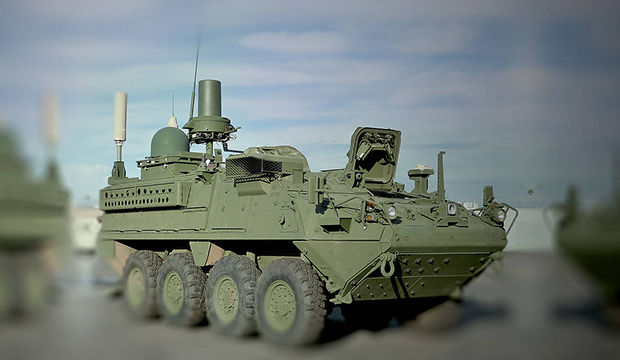
Learn how electronic warfare uses the electromagnetic spectrum to disrupt enemy systems while protecting communication and defense infrastructure.
Explore how radar systems use radio waves to detect distance, speed, and direction. Learn their role in defense, aviation, weather forecasting, and modern technology.

A complete guide to entering consulting, covering skills, networking, interview prep, and strategies to land roles in top firms.

Discover why programming is essential for AI, robotics, data science, and app development. Learn the key skills and trends shaping the future of technology.

Understand how AI is transforming UX/UI design through personalization, automation, and data-driven insights, making digital experiences more intuitive.
Explore how 6G will revolutionize connectivity with ultra-fast speeds, AI-driven networks, and global coverage, shaping the future of communication.
Learn how electronic warfare uses the electromagnetic spectrum to disrupt enemy systems while protecting communication and defense infrastructure.
Explore how radar systems use radio waves to detect distance, speed, and direction. Learn their role in defense, aviation, weather forecasting, and modern technology.
A complete guide to entering consulting, covering skills, networking, interview prep, and strategies to land roles in top firms.
Discover why programming is essential for AI, robotics, data science, and app development. Learn the key skills and trends shaping the future of technology.
Understand how AI is transforming UX/UI design through personalization, automation, and data-driven insights, making digital experiences more intuitive.